


Brazilian recipe
Homemade Cheese Empadinhas (Empadinha de queijo)
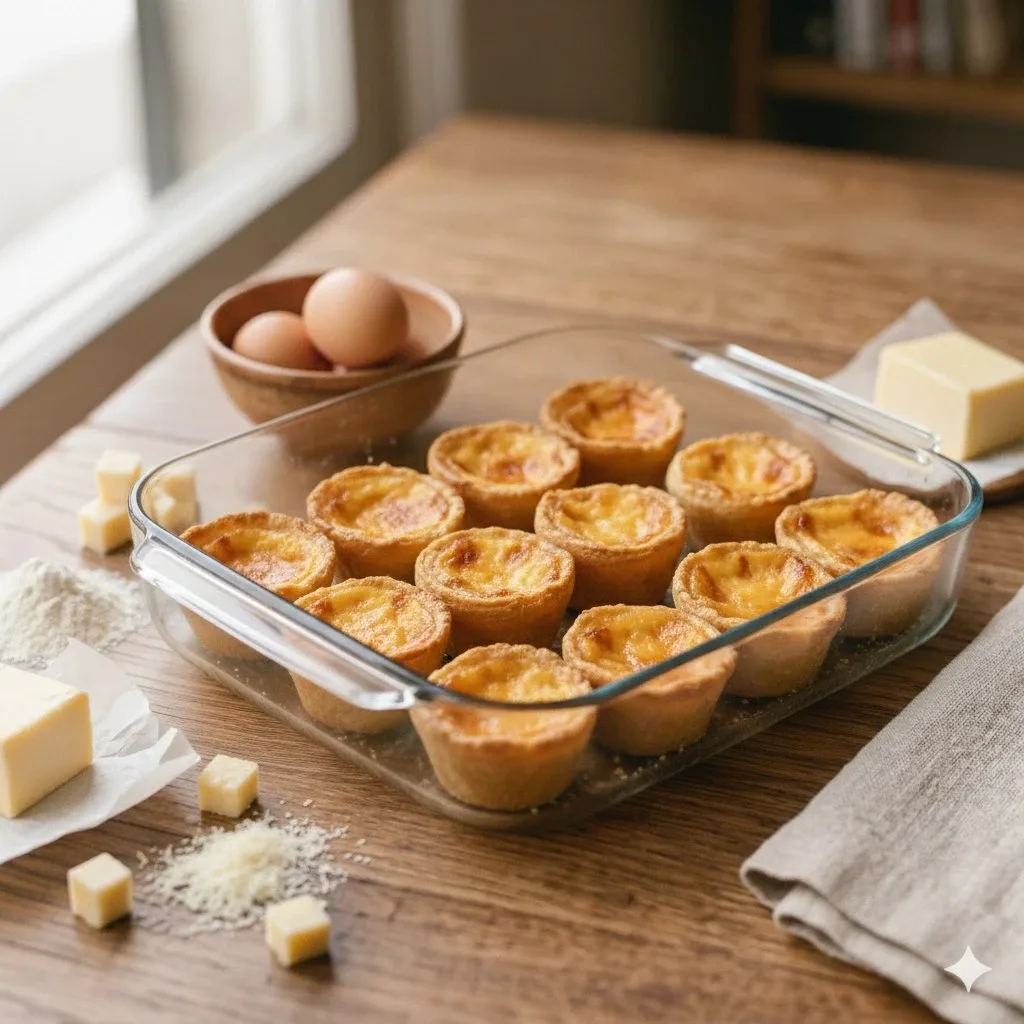
A faithful Brazilian recipe for homemade cheese empadinhas, adapted into natural English while preserving the original ingredients and method.
0.0 / 5 by 0 Reviews
Ingredients
3 cups of plain flour
2 whole eggs
250 gramas of grated Parmesan cheese or 1/2 Minas cheese pequeno in cubes
1 glasses of milk integral
1 egg yolk of egg
1 spoon of sopa of unsalted butter
3 tablespoons of unsalted butter, in temperatura ambiente
Sal to taste
2 whole eggs
250 gramas of grated Parmesan cheese or 1/2 Minas cheese pequeno in cubes
1 glasses of milk integral
1 egg yolk of egg
1 spoon of sopa of unsalted butter
3 tablespoons of unsalted butter, in temperatura ambiente
Sal to taste
Where to find ingredients
Find Brazilian ingredients such as requeijão, Catupiry, palmito, goiabada, dendê oil, cassava flour, cachaça, carne seca, moranga squash, cação and farinha láctea in Brazilian or Latin American grocers, international food shops, larger supermarkets and online speciality grocery sections. Standard meat, seafood, dairy, produce and baking ingredients are usually available in supermarkets, butchers, fishmongers and local grocery shops. Substitutes, only if needed: cream cheese for requeijão or Catupiry, firm white fish for cação, and butternut squash for moranga.
Preparation method
- In the bowl, mix the plain flour, 3 tablespoons of butter, the egg yolk and the sal
- With the pontas of the dedos, trabalhe the mixture ate obter the dough smooth and esfarelada
- in the blender, Beat the whole eggs, the cheese grated or in cubes, the spoon of sopa of butter and the milk
- Line the bottom and the laterais of forminhas individuais to empada with the dough preparada
- Pour the filling batido dentro of the forminhas, without cobrir completamente
- Take to the preheated oven the 180°C for approximately 30 minutes, or ate that the filling esteja golden and the dough cooked
Observations
This recipe keeps the Brazilian identity of Empadinha de queijo, preserving the ingredients, technique and serving idea from the original. It is written for an English-speaking audience with clear cooking language, while keeping cultural items such as requeijão, palmito, goiabada, dendê oil, Catupiry and carne seca when they are part of the dish.
Ratings and comments