


Brazilian recipe
Homemade Crispy Pastel Dough: A Simple Recipe (Massa de pastel : receita prática)
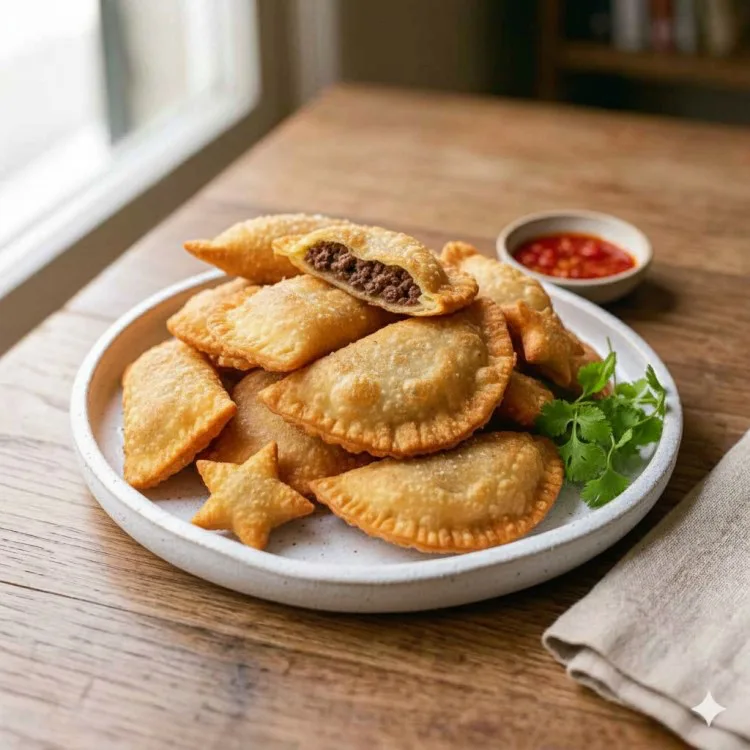
Learn how to make a classic, crisp-textured pastel dough at home. With just a few pantry staples, you can achieve a thin, versatile pastry perfect for any filling.
0.0 / 5 by 0 Reviews
Ingredients
1 tablespoon salt
200ml warm water
Your preferred filling, prepared and cooled
2 tablespoons oil or melted lard
1 tablespoon white vinegar
500g plain flour
200ml warm water
Your preferred filling, prepared and cooled
2 tablespoons oil or melted lard
1 tablespoon white vinegar
500g plain flour
Where to find ingredients
Plain flour, salt, and vinegar can be found at local supermarkets like Shop N Save or New World. For lard, check the butchery section or your local market, though vegetable oil is a perfectly acceptable substitute for the dough.
Preparation method
- In a large mixing bowl, combine the flour and salt.
- Make a well in the center of the dry ingredients and add the oil (or lard) and the vinegar.
- Gradually pour in the warm water while working the mixture with your hands until the dough begins to come away from your fingers.
- Transfer the dough to a clean, flat surface and knead vigorously until it reaches a smooth and uniform consistency.
- If the dough feels too stiff, add a few drops of water; if it is too sticky, dust it with a little extra flour.
- Cover the dough with a clean kitchen towel and let it rest for 20 minutes.
- Roll out the dough using a rolling pin until it is very thin.
- Cut the dough into your desired shapes and sizes.
- Place a portion of your preferred filling in the center of the dough and seal it well by pressing the edges firmly.
- Deep-fry the pastries in hot oil until they are golden brown.
- Drain any excess oil on paper towels and serve immediately.
Observations
This pastel dough is a staple of Brazilian comfort food, celebrated for its signature crunch and the ease with which it can be prepared in a home kitchen. The secret to achieving a professional-grade finish lies in thorough kneading until the dough is smooth, followed by rolling it out until paper-thin. This technique ensures your pastries emerge golden, blistered, and perfectly crispy without absorbing excess oil during frying.
Ratings and comments